China Sourcing Expert
- +86 139 2379 5054
- +86 187 4012 5812
- contact@chinaexpertpro.com


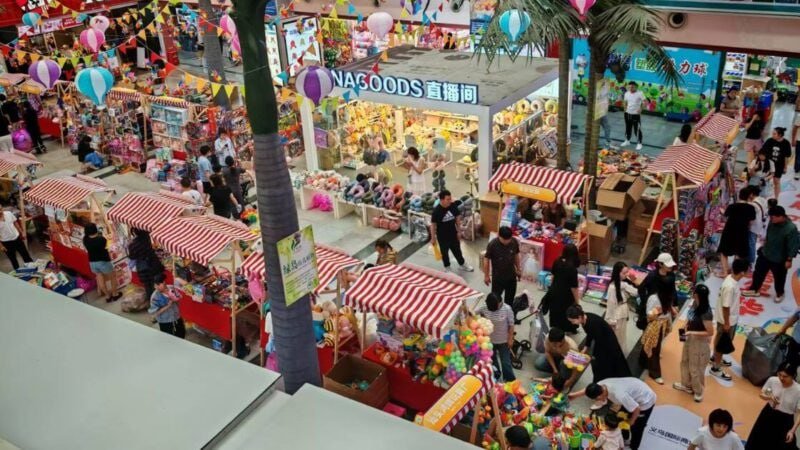
From the smartphone in your pocket to the furniture in your home, a vast array of products powering our daily lives are made in China. This manufacturing dominance is not a recent phenomenon. It is the result of decades of strategic development. Consequently, the nation has transformed into the world’s foremost industrial workshop. Understanding the scope and scale of Chinese production is essential. It helps us grasp modern global economics and consumer culture. This article will delve into the diverse categories of goods from Chinese factories. We will explore everything from cutting-edge electronics to essential textiles.
We will explore the historical and economic factors that propelled China to its central role. Furthermore, the discussion will cover how this manufacturing prowess impacts international trade, innovation, and even geopolitical dynamics. By examining specific product sectors, we aim to provide a clear picture. This picture shows the intricate web of production connecting Chinese workshops to consumers worldwide. Ultimately, this exploration sets the stage for a deeper appreciation. We will understand the complex, often invisible, processes behind the items we use every day.
Modern electronics, like many advanced technologies, rely on a global supply chain. This chain is anchored by the supplier of China. This network provides essential components from microchips to advanced displays. Consequently, manufacturers worldwide depend on this ecosystem for cost-effective production. Moreover, Chinese suppliers offer unparalleled scalability and rapid prototyping capabilities. This agility allows tech companies to iterate designs quickly. Therefore, the entire consumer electronics landscape is deeply interconnected with these suppliers.
Their role extends beyond simple manufacturing into complex logistics and component sourcing. Furthermore, this integration supports the mass production of devices powering digital marketing itself. The relationship is symbiotic, driving innovation and accessibility in global markets. Ultimately, the supplier of China forms the foundational layer for modern gadgets. These gadgets enable modern business and communication.
Furthermore, this crucial role ensures consistent hardware availability for global brands. The supplier ecosystem fosters competitive pricing and technological advancement. Many factories specialize in specific electronic assemblies, creating centers of excellence. This specialization leads to higher quality and more reliable components for end products. Therefore, businesses leveraging SEO and digital tools benefit indirectly from this manufacturing prowess.
The supply chain’s resilience and efficiency keep the global tech economy moving forward. Moreover, continuous investment in Chinese manufacturing infrastructure promises future innovations. This progress will undoubtedly shape the next generation of smart devices and computing platforms. The supplier of China remains an indispensable partner in our technological evolution.
The global apparel industry sources fundamental materials from specialized manufacturers. Sweatshirt material like French terry and fleece are prime examples. These fabrics provide comfort and durability for casual wear. Similarly, various types of denim define countless fashion styles. Examples include raw, selvedge, and stretch denim. Each denim type undergoes unique weaving and finishing processes. Therefore, understanding these materials is key for retailers and designers.
Moreover, the production of these textiles often involves sophisticated, large-scale industrial operations. These processes transform raw cotton and synthetic fibers into wearable fabrics. Furthermore, innovation in fabric blends and sustainable sourcing is constantly evolving. This evolution responds directly to consumer demand for quality and environmental consciousness. The journey from fiber to finished garment is a complex global endeavor.
Consequently, the choice of sweatshirt material impacts the garment’s weight, warmth, and texture. Brands select specific weaves and cotton grades to achieve a desired look and feel. Likewise, the distinction between types of denim influences the fit, fade, and longevity of jeans. This material knowledge is crucial for product development and marketing.
Moreover, advancements in dyeing techniques and water recycling are reshaping denim production. These sustainable practices are becoming a significant selling point for conscious consumers. Therefore, the backbone of apparel lies in these essential materials and their continuous improvement. The industry’s future hinges on marrying traditional craftsmanship with modern, eco-friendly innovation. This balance ensures that everyday essentials remain both desirable and responsibly made.
Wholesale craft stores depend heavily on a vast array of home goods and toys. These products are sourced from global manufacturing hubs. They form the core inventory for creative retailers. Items range from decorative ceramics and kitchenware to educational puzzles and plush toys. Consequently, this diverse selection attracts both hobbyists and small business owners.
Moreover, the affordability and volume offered by wholesale channels are essential for store viability. These goods enable customers to undertake DIY projects and find unique gifts. Furthermore, seasonal trends in home decor and playthings drive much of the purchasing cycle. Therefore, wholesalers must accurately forecast demand for these items. The symbiotic relationship between manufacturers, wholesalers, and craft stores fuels a vibrant creative economy.
Additionally, the production of these goods supports numerous specialized factories. These facilities master techniques for materials like resin, wood, and fabric. Their output supplies the shelves of wholesale craft stores worldwide. Moreover, the design innovation in this sector is remarkably dynamic. New toy concepts and home decor trends emerge constantly to capture consumer interest.
This requires close collaboration between designers and production teams. Furthermore, safety and quality standards are paramount, especially for children’s toys. Therefore, reliable supply chains ensure products meet all necessary regulations. Ultimately, these home goods and toys provide the tangible elements for creativity and domestic comfort. They are the indispensable backbone of a thriving retail niche.
Consumer product safety and market access are governed by critical certifications. These include UL certification and FCC IDs. UL certification, from Underwriters Laboratories, indicates a product has passed rigorous safety tests. This mark is especially vital for electrical devices and appliances. Therefore, it provides assurance against fire, shock, and other hazards.
Moreover, achieving this certification is often a mandatory step for selling in North America. Similarly, an FCC ID is a unique identifier assigned by the Federal Communications Commission. This ID demonstrates that an electronic device complies with limits for radio frequency emissions. Consequently, it prevents interference with other communications services. Furthermore, the process to obtain an FCC ID involves thorough testing and documentation.
Additionally, these standards are not merely bureaucratic hurdles. They are essential consumer protections. Manufacturers must design products from the ground up to meet these requirements. Moreover, the testing process for UL certification evaluates materials, construction, and performance under stress. This ensures long-term reliability and user safety.
Similarly, FCC testing verifies that a device’s electromagnetic emissions are within safe and non-disruptive limits. Therefore, compliance is crucial for everything from smartphones to Wi-Fi routers. Furthermore, understanding these certifications is key for importers and distributors. They must verify that their products carry the correct marks before shipment. Ultimately, UL certification and FCC IDs form the bedrock of trust in the modern marketplace for electronic and electrical goods.
The spectrum of everyday stuff that is made in China is astonishingly broad. It touches nearly every aspect of modern life. From the smartphone in your hand to the LED light overhead, Chinese manufacturing is ubiquitous. Moreover, this extends to kitchen utensils, stationery, luggage, and small power tools.
Consequently, global consumers interact with these products constantly, often without a second thought. Furthermore, the scale of production allows for incredible variety and accessibility. This manufacturing might provides the world with affordable and functional goods. Therefore, the economic and practical impact is profound and deeply woven into daily routines. The phrase “stuff that is made in China” encapsulates a world of material reality.
Additionally, this vast range is not limited to simple goods. It includes complex items like drones and electric vehicles. The evolution from basic assembly to high-tech innovation marks a significant industrial journey. Moreover, this production capacity supports global retail chains and e-commerce platforms alike. It enables fast fashion, home renovation, and technological adoption at unprecedented speed.
Furthermore, the supply chain for this everyday stuff is a marvel of logistics and coordination. Therefore, its efficiency directly influences global inflation and product availability. The interconnectedness of this system means local demand sparks activity in factories thousands of miles away. Ultimately, the sheer volume and diversity of output redefine what we consider possible in global manufacturing. This ecosystem continues to shape consumption patterns and living standards worldwide.
In summary, the vast array of stuff that is made in China forms the essential backbone of the modern global economy. From the smartphones in our pockets to the infrastructure supporting our cities, Chinese manufacturing is deeply integrated into daily life worldwide. This dominance stems from a powerful combination of scale, supply chain efficiency, and continuous technological advancement. Consequently, understanding this manufacturing ecosystem is crucial for businesses, consumers, and policymakers alike.
Ultimately, the narrative extends far beyond simple production. It’s about innovation, global connectivity, and economic interdependence. The products powering our world highlight China’s pivotal role in shaping contemporary industry and consumption. Therefore, recognizing this complex reality allows for more informed decisions in a connected marketplace. Looking ahead, the evolution of Chinese manufacturing will undoubtedly continue to influence global trends and technological progress.