China Sourcing Expert
- +86 139 2379 5054
- +86 187 4012 5812
- contact@chinaexpertpro.com



Navigating international trade requires understanding port-to-port shipping from China. This logistics method is critical for importers worldwide. Our guide will demystify the entire process. You will learn to select the right Chinese ports. Additionally, you will manage documentation and calculate costs. Mastering these fundamentals streamlines your supply chain. It also reduces unexpected expenses. Furthermore, it ensures your goods arrive on schedule.
We will explore key advantages of port-to-port shipping. These include greater control over your cargo. You also gain flexibility in choosing logistics partners. You’ll learn to compare different shipping lines. Moreover, you will understand Incoterms for port-to-port transactions. Finally, you will navigate customs clearance procedures. This knowledge is essential for informed decisions. It protects your bottom line effectively.
This guide provides practical strategies for optimizing shipments. We’ll cover common challenges like port congestion. We also address seasonal fluctuations. Our solutions help mitigate these risks. With careful planning, you gain valuable insights. Consequently, you can transform shipping from a hurdle into an advantage. This benefits your importing business significantly.
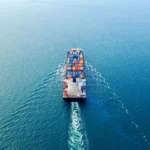
Port-to-port shipping moves goods directly between origin and destination ports. The shipper manages all inland transportation. The journey begins when a supplier delivers cargo to a Chinese port. For example, this could be Shanghai or Ningbo. Subsequently, the freight forwarder arranges ocean freight. They also secure the Bill of Lading.
The carrier then transports the container across the sea. They deliver it to the destination port. The consignee handles customs clearance. They also manage final trucking from the arrival port. This method offers significant cost control. Therefore, understanding each contractual handoff is crucial. It ensures smooth operations.
Precise coordination prevents costly delays at either terminal. Moreover, port-to-port shipping provides a balanced solution. It works well for those with established logistics networks.
This process separates seller and buyer responsibilities at port boundaries. The exporter’s obligation ends once goods load onto the vessel. Conversely, the importer assumes all risk and cost from that point. This division requires meticulous planning. You must plan for destination port charges. Additionally, you need to arrange inland haulage.
Importers must accurately calculate demurrage and detention fees. This avoids surprises. Effective communication with your freight forwarder is essential throughout transit. They provide critical updates on vessel schedules. They also warn about potential port congestion. Moreover, they can advise on optimal shipping routes. They help with carrier selection too.
A clear grasp of this process empowers importers. They can negotiate better terms. They also optimize their supply chain for reliability. This improves cost-efficiency significantly.
International trade requires precise documentation. The Pro Forma Invoice and Commercial Invoice serve different purposes. A Pro Forma Invoice is a preliminary bill. It comes before a sale finalizes. This document details estimated costs of goods. It also includes shipping and other charges for buyer review.
This document is crucial for securing import licenses. It also helps arrange financing. Moreover, it forms the basis of the purchase agreement. Therefore, its accuracy is vital. It prevents misunderstandings later.
The Commercial Invoice is the official legal record. It documents the completed transaction. Companies issue it after shipment. It states the final, actual value of sold merchandise. Consequently, customs authorities use this document. They assess duties and taxes with it.
The Commercial Invoice is mandatory for customs clearance. Almost every country requires it. It must include specific details. These include harmonized system codes and country of origin. A detailed description of the goods is also necessary.
Banks require it to process international payments. This happens under letters of credit. Understanding the distinction prevents costly clearance delays. It also avoids compliance issues.
The data on both invoices must align with the Bill of Lading. It must also match the packing list. Discrepancies can trigger inspections. They may result in fines too.
A well-prepared Pro Forma Invoice sets clear expectations. An accurate Commercial Invoice ensures smooth regulatory passage. Mastery of these documents is non-negotiable. It enables efficient port-to-port shipping. It also ensures proper financial settlement.
Selecting the correct port of origin in China is strategic. It impacts cost, transit time, and supply chain reliability. Southern China hosts some of the world’s busiest container ports. Notably, the Pearl River Delta is a key region.
Shenzhen is a global powerhouse for electronics and consumer goods. It encompasses Yantian, Shekou, and Chiwan. Furthermore, the port of Guangzhou serves vast industrial hinterlands. Hong Kong remains a key logistics hub. It offers exceptional efficiency.
Each port has unique advantages. These include berth depth and carrier alliances. Specialized cargo handling also varies. Therefore, matching your cargo type to the right port optimizes shipping. Moreover, understanding inland transportation from your factory is critical. It ensures timely loading.
Destination port selection requires careful analysis. You must consider your local distribution network. Major hubs like Los Angeles offer extensive connectivity. However, they often face congestion. Alternatively, secondary ports may provide faster turnaround. They might offer lower fees too.
The choice influences your final landed costs significantly. Additionally, you must research the destination port’s infrastructure. Customs processing speed is another important factor.
Carrier service routes connect specific origin and destination ports. This limits your options. Therefore, planning your route requires balancing costs. You must compare ocean freight with inland drayage expenses.
Seasonal factors affect port productivity. For example, monsoon weather or peak holiday seasons cause delays. A savvy importer collaborates with their forwarder. They navigate these complexities together. Consequently, they select the most efficient port pair for their shipment.
A proficient sourcing agent acts as your indispensable partner. They extend their role far beyond simple procurement. They operate at the heart of maritime logistics. They provide critical local expertise. This bridges cultural and operational gaps with Chinese suppliers.
Their involvement begins with vetting manufacturers. They check for reliability and compliance. Moreover, they conduct factory audits. They also supervise production quality control inspections. This ensures goods meet your specifications. It happens before they reach the port.
A good agent manages the pre-shipment process. They coordinate with the factory’s packing teams. They also work with inland transportation teams. They verify that cargo is properly packed. Additionally, they check labeling and documentation for export. Therefore, they prevent errors. These errors could cause customs rejection at the destination.
The agent plays a pivotal role in coordination. They work with freight forwarders and trucking companies. They ensure cargo arrives at the origin port on schedule. It must meet the designated vessel’s timeline.
They also help navigate Chinese export customs procedures. These can be complex for foreign entities. Their local language skills are invaluable. They understand regulations deeply. Consequently, they resolve last-minute issues effectively.
They mitigate risks and streamline the initial leg of the journey. A sourcing agent provides a single point of contact. This simplifies communication across the supply chain. Moreover, their oversight often leads to cost savings. Better negotiation and logistical optimization achieve this.
Ultimately, their expertise transforms a complex process. It becomes a managed, efficient workflow. This runs from factory floor to port gate.
Successful port-to-port shipping hinges on two pillars. These are appropriate cargo preparation and secure payment terms. Incoterms define risk and cost transfer. FOB (Free On Board) is prevalent for this method.
Under FOB, your responsibility begins once goods pass the ship’s rail. This happens at the origin port. Therefore, you must ensure cargo is packed properly. It must withstand ocean transit. Proper classification is also necessary.
Accurate weight and dimension declarations are non-negotiable. They ensure vessel safety. They also enable correct cost calculation. Cargo insurance is a critical consideration. Many importers overlook it.
While the carrier’s liability is limited, insurance protects your investment. It covers loss or damage at sea. Furthermore, understanding container types is essential. You need standard dry, high-cube, or refrigerated options. Choose based on your specific products.
Selecting a secure payment method builds trust with your supplier. Common methods include Telegraphic Transfer (T/T). Letters of Credit (L/C) and escrow services are also popular. A T/T with a deposit balance offers simplicity. However, it carries some risk.
Conversely, a Letter of Credit provides security for both parties. Bank guarantees facilitate this. However, it involves more complexity and cost. The chosen method must align with your supplier relationship. Order value is another factor.
Payment timing should synchronize with key shipment milestones. For example, payment might occur upon shipment. It could also happen upon Bill of Lading presentation. This alignment protects your cash flow. It also ensures supplier performance.
Ultimately, integrating smart cargo practices with robust payment protocols creates security. It also builds an efficient import framework. This minimizes disputes. Moreover, it maximizes supply chain predictability.
In summary, mastering port-to-port shipping from China is critical. It builds a resilient and cost-effective supply chain. This guide has outlined essential components. You learned to select the right Incoterms. We also covered calculating landed costs.
Additionally, we explained navigating documentation. Choosing reliable partners was another topic. Understanding these interconnected elements transforms a complex challenge. It becomes a strategic advantage. Consequently, you gain greater control over timelines. You also manage budgets better. Overall reliability of your imports improves.
Successful port-to-port shipping hinges on proactive planning. Informed decision-making is equally important. Leverage insights from this complete guide. Streamline your operations with them. Mitigate common risks like delays. Avoid unexpected charges too.
Foster stronger relationships with freight forwarders and suppliers. Therefore, use this framework as a continual reference point. To optimize your next shipment, review your current processes. Check them against the key takeaways discussed. Consider consulting a specialized logistics provider. They can tailor solutions for your specific business needs.