China Sourcing Expert
- +86 139 2379 5054
- +86 187 4012 5812
- contact@chinaexpertpro.com


Launching your own private label footwear brand is exciting. However, navigating Chinese manufacturing can seem daunting. This definitive guide provides a clear, actionable roadmap from concept to delivery. We cover every critical step. You will learn to find and vet reliable factories. We also explain quality control and crucial logistics decisions like air vs sea freight china. Ultimately, this guide empowers you to build a successful, profitable product line with confidence.
First, we explore the foundational sourcing stage. You will learn proven strategies to find reliable suppliers in China. We cover conducting thorough factory audits. You will also understand the nuanced differences between manufacturing hubs like China vs Vietnam sourcing. Next, we dive deep into the production process. This includes material selection, prototyping, and managing bulk ordering from China. We also explain ensuring consistent quality through every production run.
Finally, we demystify the critical post-production phase. This includes a detailed breakdown of international logistics. We help you choose the most cost-effective and timely shipping method. Furthermore, we guide you through essential China trade regulations. You will learn customs clearance procedures and financial considerations like GST on imports. By the end, you will possess comprehensive knowledge to manufacture your footwear efficiently. You can then bring your brand vision to market.
Your journey to manufacture private label footwear in China begins with a solid concept and design. This foundational phase requires meticulous market research. You must identify trends and gaps your brand can fill. Define your target audience, price point, and unique selling proposition with absolute clarity. Creating detailed technical sketches and material specifications is a critical next step. These documents become the blueprint for all future factory communication.
Therefore, investing time here prevents costly misunderstandings during production. Moreover, consider the practical aspects of your design. Think about sole construction and upper materials for both aesthetics and durability. A well-defined concept accelerates the subsequent sourcing process significantly. It provides a clear framework for evaluating which factories can truly bring your vision to life. Consequently, this preparation is your most important investment before engaging with overseas manufacturing.
Furthermore, prototyping your design can reveal unforeseen flaws. You can do this digitally or through local cobblers. This iterative process refines the product before expensive sampling begins abroad. You should also research applicable safety and quality standards for your target markets. Understanding these requirements from the outset informs material choices and construction methods. A comprehensive design package demonstrates professionalism to suppliers. It signals that you are a serious partner, which can lead to better cooperation and terms.
Ultimately, a strong, well-documented concept is your primary tool for controlling the manufacturing trajectory. It ensures your private label footwear emerges as a coherent and market-ready product from the very first sample.
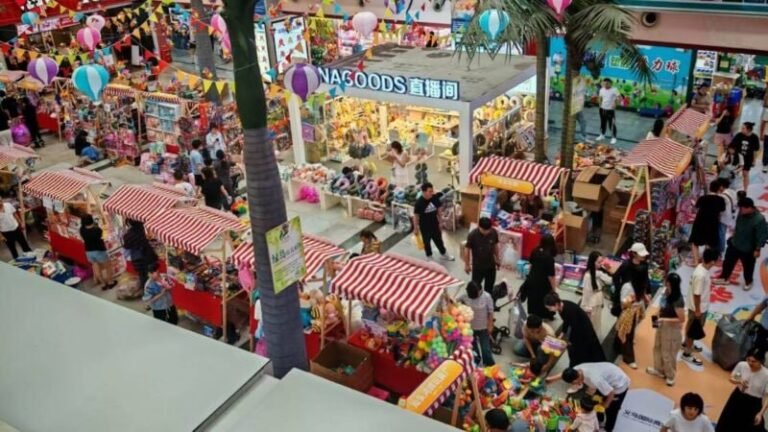
Finding reliable suppliers in China is a nuanced process. It demands a strategic approach beyond simple online searches. A comprehensive china sourcing guide for footwear emphasizes verifying factory credentials and specializations. You must distinguish between trading companies and actual manufacturers. This ensures transparency and cost efficiency. Platforms like Alibaba can provide initial contacts, but deeper due diligence is non-negotiable.
Therefore, attending trade fairs like the Canton Fair offers invaluable face-to-face meetings. Moreover, seeking referrals from industry networks can uncover highly capable factories not actively marketing online. It is crucial to assess a manufacturer’s experience with your specific footwear category. This includes athletic, formal, or fashion styles. Consequently, this targeted vetting saves considerable time and reduces project risk from the outset.
Furthermore, evaluating a supplier’s capacity for bulk ordering from china is essential for scaling your business. You need to confirm they have the machinery and labor force to meet your projected volumes. Communication capability is another critical factor. A dedicated English-speaking account manager prevents errors. It is also wise to compare options by exploring china vs vietnam sourcing. Each region offers different advantages in cost, material access, and craftsmanship.
Initiating contact with a shortlist of factories using your detailed design package is key. This allows you to gauge their responsiveness and understanding. This initial interaction filters out unsuitable candidates before you invest in sampling. A methodical sourcing phase builds the foundation for a stable and productive manufacturing relationship. It turns your design into a tangible product.
The sampling phase transforms your design concept into a physical prototype. It tests the factory’s interpretation and capability. You should expect to pay for development samples, which is standard practice for serious buyers. Clear feedback on each sample iteration is vital for aligning the product with your vision. Therefore, establishing a detailed sampling protocol with correction timelines prevents project delays.
Once the prototype is approved, negotiations on Minimum Order Quantity (MOQ) and pricing begin. Understanding the cost drivers empowers you during these discussions. These drivers include material grades and labor complexity. Moreover, negotiating favorable payment terms protects your cash flow. For example, consider a 30% deposit with balance before shipment. Consequently, a signed contract is mandatory before full production commences. It should detail all specifications, costs, and delivery schedules.
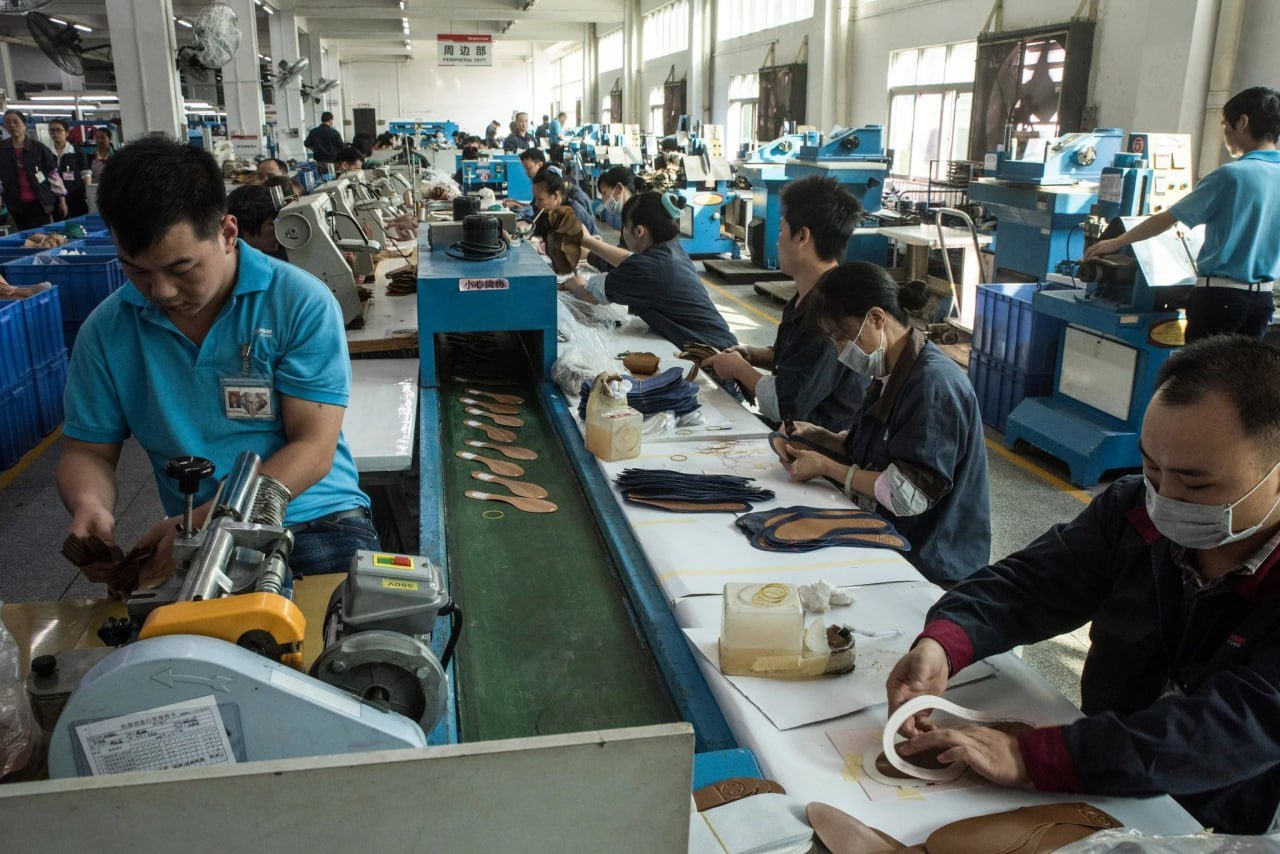
Furthermore, conducting a thorough factory audit shenzhen or in other industrial hubs provides irreplaceable insights. An audit assesses the facility’s working conditions, quality control processes, and production machinery firsthand. It verifies the supplier’s claims and ensures ethical compliance with your brand standards. You can perform this audit yourself or hire a third-party inspection agency for an objective report.
This step is a critical risk mitigation strategy before committing to bulk ordering from china. It confirms the factory’s ability to deliver consistent quality at the agreed volume. Navigating sampling, MOQ, and audits with diligence ensures your partnership is built on transparency and mutual understanding. This sets the stage for a smooth production run.
After approving samples and finalizing contracts, active production management begins. This ensures timelines and quality standards are met. Establishing clear communication channels with the factory’s production manager is crucial for weekly updates. You should request production schedules and key milestone dates. These include material cutting and assembly starts.
Furthermore, implementing staged quality control inspections is non-negotiable for protecting your investment. A Pre-Production Inspection (PPI) verifies that all raw materials meet your specified standards before assembly begins. Moreover, a During Production Inspection (DPI) catches issues on the assembly line. Corrections are still cost-effective at this stage. Therefore, these proactive checks prevent large-scale defects in finished goods.
The most critical inspection is the Final Random Inspection (FRI). It is conducted when at least 80% of the order is packed. This inspection uses statistical sampling to assess the overall lot’s quality against your Acceptable Quality Limit (AQL). Hiring a professional third-party inspector provides an unbiased report on workmanship, function, and packaging.
Consequently, this report becomes the basis for approving shipment release or requesting rework. Diligent production oversight and rigorous QC inspections mirror the precision required in sectors like electronics manufacturing china. They are your primary tools for ensuring the finished footwear matches your approved sample in every detail. This hands-on management transforms a purchase order into a reliable stream of high-quality private label products.
Finalizing production leads to the complex logistics phase. Here, you must choose between air vs sea freight china based on cost and speed. Sea freight is economical for bulk ordering from china. However, it requires longer lead times and understanding china trade regulations. Air freight is faster but significantly more expensive. It is suitable for smaller, high-value shipments.
Furthermore, you must prepare all necessary shipping documents. These include the commercial invoice, packing list, and bill of lading. Correctly classifying your footwear with the Harmonized System (HS) code is essential for smooth customs clearance china. Therefore, partnering with an experienced freight forwarder is highly recommended. They should understand footwear imports. They navigate port procedures and tariff classifications on your behalf.
Moreover, understanding your destination country’s import duties and GST on imports from china is crucial. This helps calculate landed cost accurately. Intellectual property (IP) protection is a parallel and ongoing concern throughout the manufacturing journey. Registering your trademarks and designs in China provides legal recourse against counterfeits. Furthermore, include strict confidentiality clauses in your manufacturing contract. This safeguards your proprietary designs.
Implementing a robust logistics and compliance strategy ensures your goods arrive on time and legally. Consequently, this final stage secures your investment and solidifies your brand’s market entry. Mastering these elements turns the challenge of international trade into a competitive advantage for your private label footwear business.
In summary, successfully manufacturing private label footwear in China requires a methodical approach. This definitive guide has outlined the critical steps. These include selecting the right manufacturing hub and conducting thorough factory audits. We also covered navigating complex trade regulations and customs clearance. By following this structured process, you can mitigate risks and build a reliable supply chain. Ultimately, a clear understanding of bulk ordering, international documentation, and quality control is paramount for long-term success.
Furthermore, strategic logistics decisions directly impact your bottom line and timeline. For example, choosing between air vs sea freight from China is crucial. Therefore, meticulous planning during the sourcing and production phases is non-negotiable. Armed with this knowledge, you are now better equipped to transform your footwear concept into a market-ready product. Consequently, we encourage you to leverage these insights. You can then confidently engage with suppliers and launch your brand.